
Welcome to Episode #3, Season 2026, of Don’t Waste a Good Recession.
Here’s a fun (slightly weird) fact: Most of the world’s tallest buildings open… during recessions.
- The Empire State Building: opened during the Great Depression.
- The World Trade Center: early 1970s downturn.
- The Petronas Towers: Asian Financial Crisis.
- The Burj Khalifa: Global Financial Crisis.
And that’s not a coincidence, it’s a consequence of Economic Cycles. And once you understand in 2026 why that happens, you start to see what’s coming next – and what you can do about it in your business.
The Economic Clock (Without the Economics Degree)
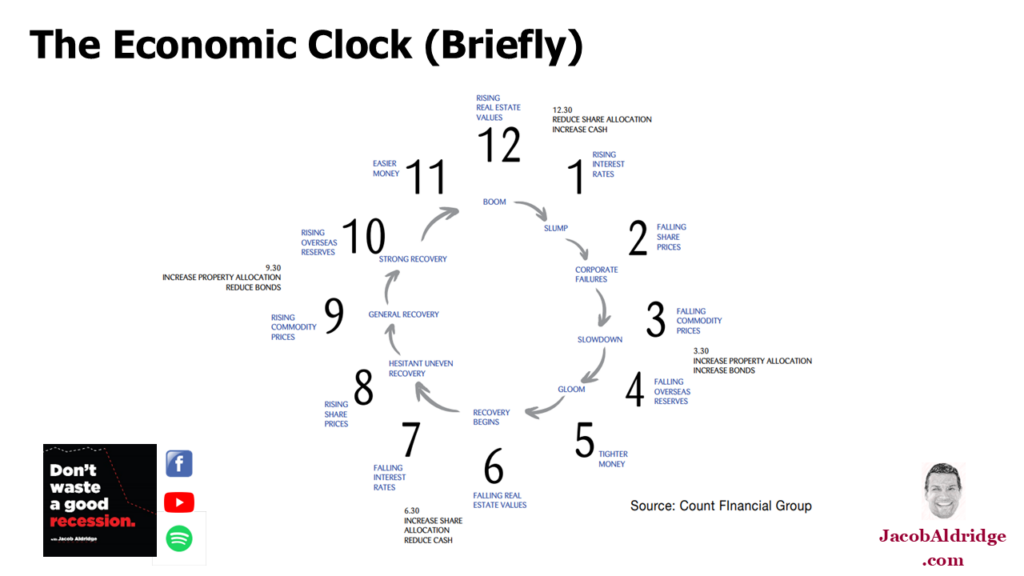
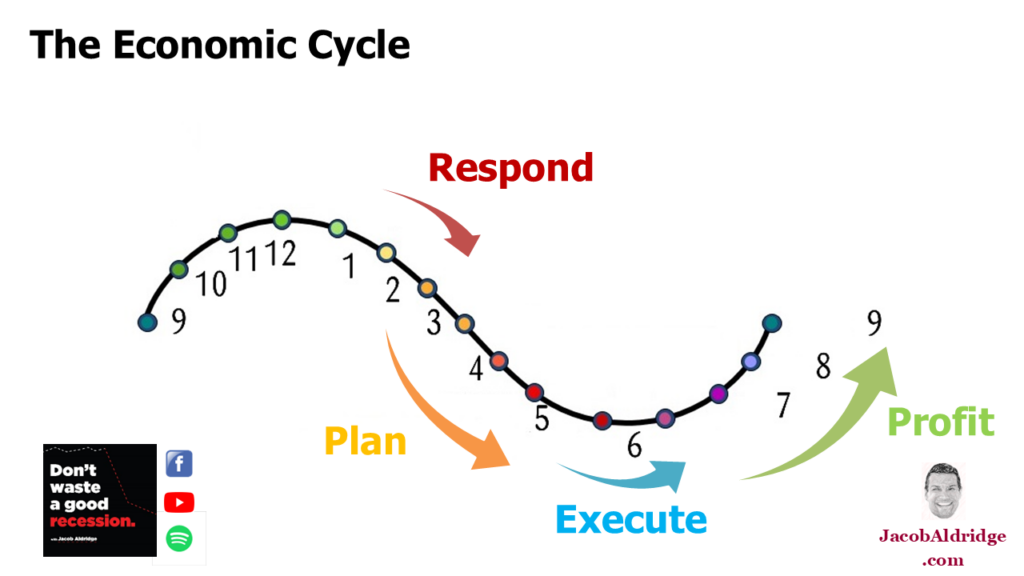
Think of the economy like a clock, moving predictably around in a circle, an “economic cycle”. The metaphor isn’t perfect, it’s not predictable to the minute, but in every Recession it rhymes.
At 12 o’clock, everything feels great:
- Prices are up (shares, property, everything)
- Money is easy to access
- Businesses are investing
- Unemployment is low
It’s boomtown, rats, and that’s exactly when people decide, “Let’s build the biggest, most ridiculous building the world has ever seen!”
Money is cheap, confidence is high, risk feels low, and you have to do something, so real estate is enticing.
Hopefully you can already see the flaw. These unprecedented projects take years, so by the time they’re finished the clock has moved.
From Boom to “Oh…”
The economy doesn’t stay at 12 o’clock. It shifts.
- Interest rates rise
- Easy money tightens
- Speculation unwinds
- Reality starts creeping back in
And suddenly, we’re at 1 o’clock… then 2… then 3…
That’s why those skyscrapers open at the worst possible time.
They were funded at the top, and delivered in the downturn.
Ever had a client or supplier (or business you owned?) fall apart right after good times? This is why.
What’s the Time, Mister Wolf?
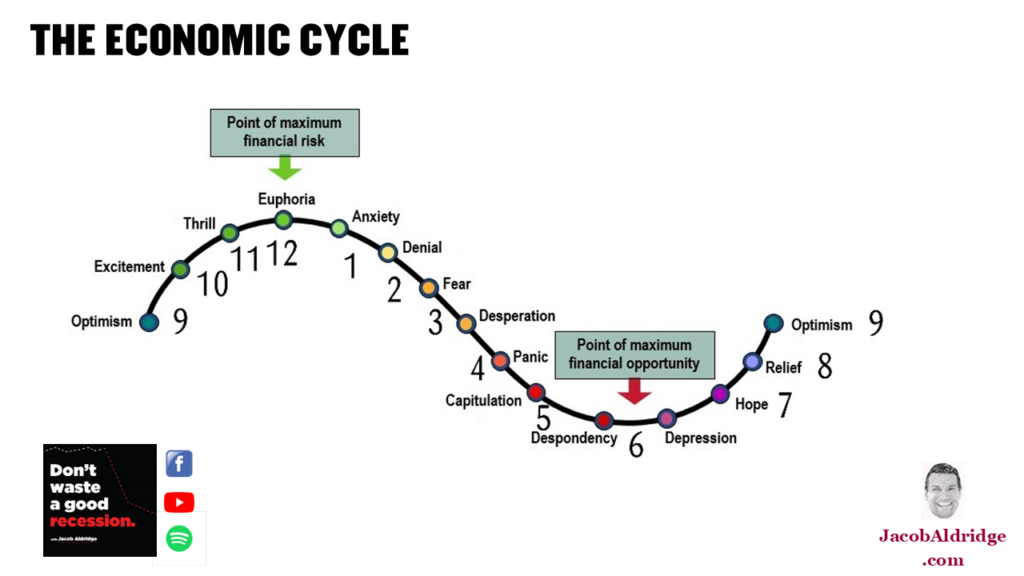
Things have shifted, we’re all feeling it, but it’s important to Respect the Clock. (Say that ten times fast.)
We’re not at the bottom. We’re not in chaos. At worst, we’re approaching 1 o’clock and moving into what’s called the slump.
This is not yet mass business failure, and assuming this recession is like all of the others (you can see the ‘Don’t Waste a Good Recession’ Youtube video explaining recessions back to the early 1700s) then we expect to see progress in sequence.
Share markets fall first. They’re a lead indicator. Then later – the uncertainty being how much later? – comes commodities, property, and the broader economy.
Let’s simplify things to help us focus, follow, and act.
The Four Phases You Need to Understand
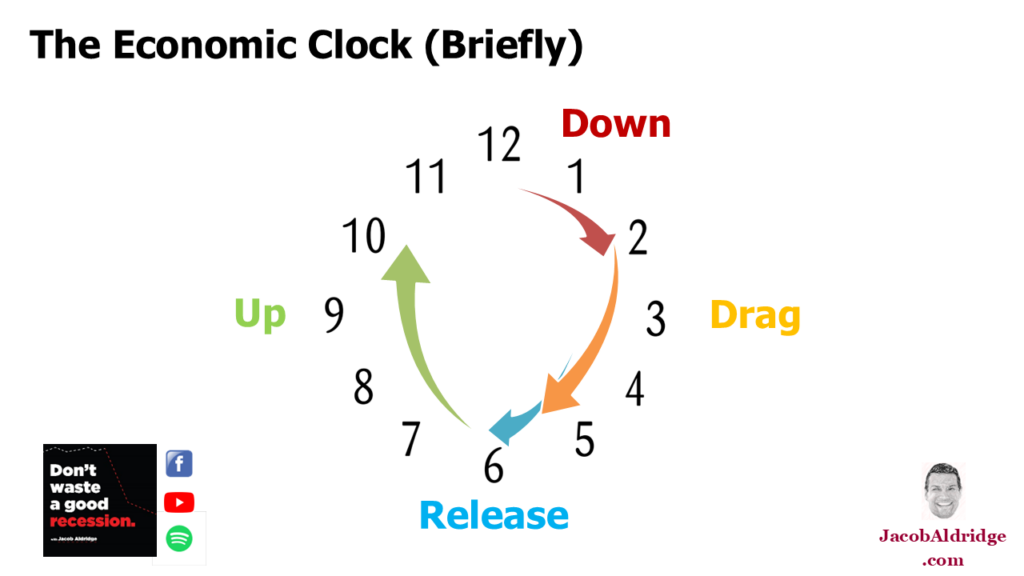
It helps to understand a recession as being 4 distinct phases:
1. Down
Things start falling. Sometimes fast. Sometimes slow. But the direction is clear.
2. Drag
This is the hardest phase.
- Confidence drops
- Spending tightens
- Energy feels heavy
- It drags on longer than you want
This is where most businesses get stuck emotionally as well as financially.
3. Release
The bottom. “Half-Way There Day”. This is the point of maximum financial opportunity, but of course it won’t be announced on the front page of the newspapers (they’re probably reporting the Recession, based on GDP figures, a month or two after it has ended!).
4. Up
The recovery. Everyone wants to participate now, but most people miss the early part so they don’t take advantage of the full upswing.
I want you to make the most of the next Up phase – which means ensuring you don’t waste a good recession!
Translating Economics to Business Owner
Let’s translate those four phases into something more practical, since you’re running a business with 2-500 employees not an economy.
Here’s the translation (and, of course, my video above explains these too):
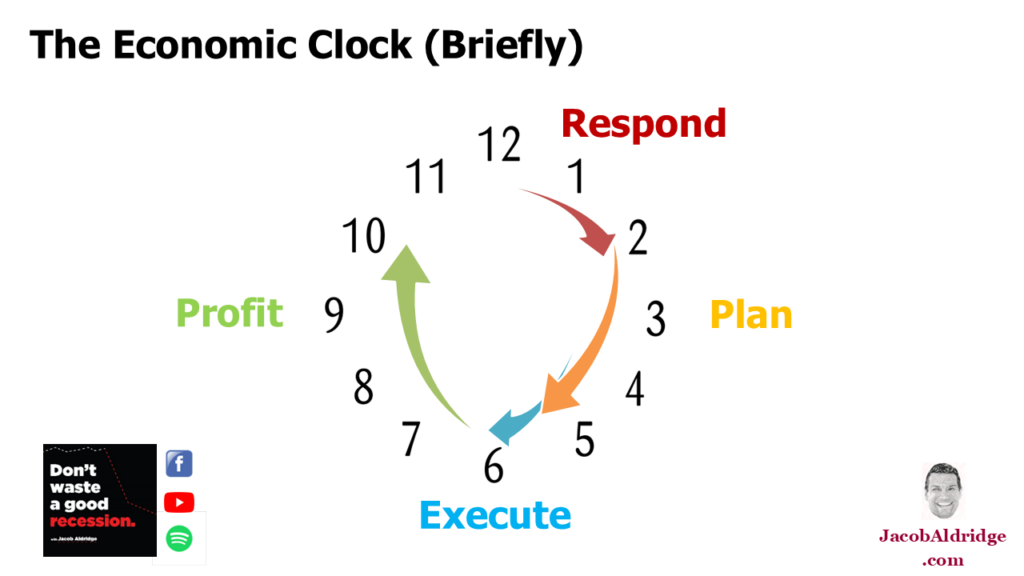
12 o’clock / 1 o’clock: Prepare to Respond
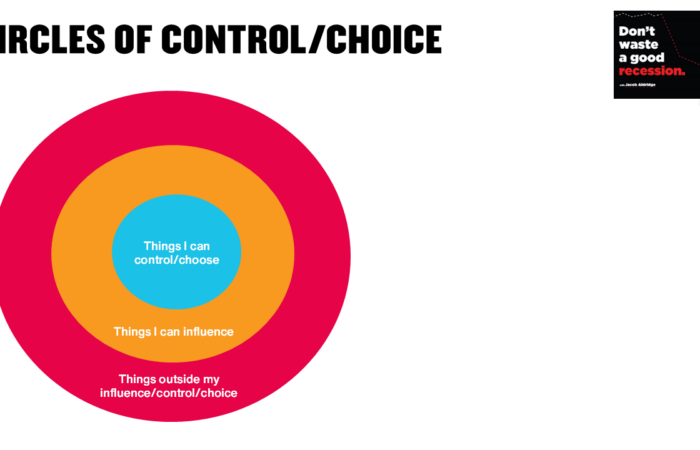
At 12–1 o’clock, your job is to prepare to respond. Keep making hay while the sun shines, but as we discussed in Episode #2 “Circle of Control” it’s time to start building your cash reserves.
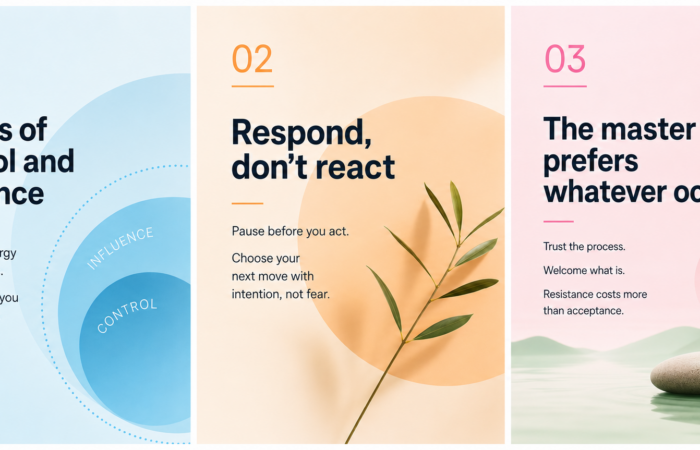
Respond.
That means:
- Understand what’s actually happening
- Watch the leading indicators
- Adjust early, not late
I keep quoting Mike Tyson: “Everyone has a plan until they get punched in the face.”
Some businesses have already felt the punch. Some see it coming.
The question is How will you respond?
The Businesses That Win… Plan Early
After the Response phase comes Plan.
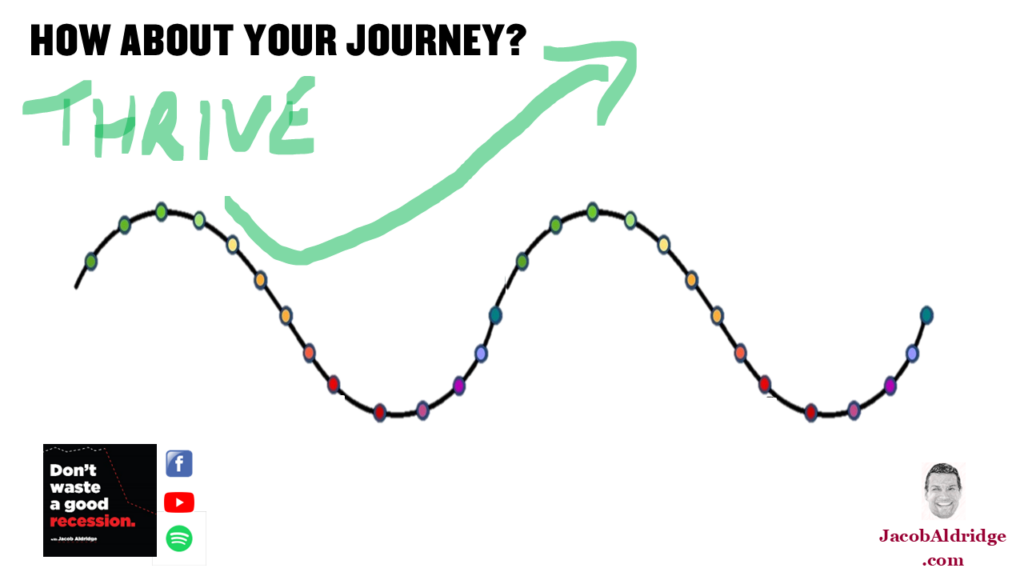
Not “Plan to Survive” – Plan to Thrive.
What are you going to do at the bottom? Because that’s where the opportunity is.
The biggest opportunities don’t come when things feel good. They come when confidence is low, competitors are hesitant, prices are suppressed – the very bottom of the Economic Clock.
That’s the Release point. And the businesses that Thrive are the ones who are ready with a Plan before it arrives.
While others wait for the newspapers to tell them things are OK (at 7, 8, or 9 o’clock.) you have a big headstart.
This is a critical difference for how I approach this channel versus most of the media and other advisors. They’re selling you Fear right now – and once you know that, you will see it everywhere. “Be afraid, buy our newspaper,” “Things are dire, buy my course.”
Don’t Waste a Good Recession is one of the few channels approaching the downturn from a place of Love. We’re all likely to feel some fear over the next 18 months – the business owners who still enjoy the ride and benefit from the journey are the ones who act At Cause, from Love.
The Bottom Line
You don’t need to predict the economy perfectly, you just need to understand where you are on the clock.
Right now we’re moving into the downturn.
- The exact trigger? Unclear
- The exact timing? Unclear
- The direction? Very clear
So:
- Respond early
- Plan deliberately
- Execute when it counts
- Profit from the upswing
Because the businesses that understand the cycle do not fear the cycle. They use every tick of the clock to their maximum advantage … including the truth that more opportunities are created in a downturn than at any other time.