
Are you Consistently Communicating Your Brand Promise? In Blackboard Fridays Episode 27, Jacob talks about Brand Promise. Need this implemented into your business? Talk to the international business advisor who can do exactly that – Contact Jacob, Learn More, or Subscribe for Updates.
Have you ever taken one of your up-and-coming team members to a function, and then gasped in horror when they’ve tried to answer the ‘What do you do?’ question?!
Or maybe you even get stuck on this yourself – finding the fine line between being specific but boring and being exciting (‘we stimulate synergies for revolutionary business models) but ridiculously vague.
There’s no benefit in having a single, scripted elevator pitch or positioning statement – how you describe your business at a family barbecue needs to be different to how you introduce yourself on stage. But you want consistency – to make your life easier, and to ensure that every member of your team is describing what you do and who you do it for in the same manner.
This week’s Blackboard Fridays video walks through the super-simple (and therefore effective) Brand Promise framework we use with our business coaching clients.
So whether you’re driving limousines, coaching entrepreneurs, or (ahem) stimulating synergies, this one is relevant for you.
Feel good about forwarding it along as well.
Who is Jacob Aldridge, Business Coach?
“The smart and quirky advisor who gets sh!t done in business.”
Since April 2006, I’ve been an international business advisor providing bespoke solutions for privately-owned businesses with 12-96 employees.
At this stage you have proven your business model, but you’re struggling to turn aspirations into day-to-day reality. You are still responsible for all 28 areas of your business, but you don’t have the time or budget to hire 28 different experts.
You need 1 person you can trust who can show you how everything in your business is connected, and which areas to prioritise first.
That’s me.
Learn more here. Or Let’s chat.
Transcript
One of my newsletter subscribers sent me a question from last week’s Blackboard Fridays video (and I’d encourage send your questions through anytime, because I enjoy reading them all on I love hearing from you).
This is a question about a term that I used “Brand Promise”, and what exactly I meant by that.
So, I thought this week we’d go through the simple framework that I use to help clients:
- Define what their brand promise is, and
- Ensure all their team members are explaining their business in the same way.
So, what is a Brand Promise?
You’ve probably heard this called several different things:
- Elevator Pitch
- Positioning Statement
- USP (Unique Selling Proposition).
I like to use the term “Brand Promise” because it links this conversation to two key elements of your business:
- Your bigger overall brand strategy (what you’re famous for and what you’re known for); and
- The promise that you make your customers at every step through the Customer Journey.
This is kind of a connection between the two of them, between your brand and your customers, and as such is a hub in your overall Revenue Flow.
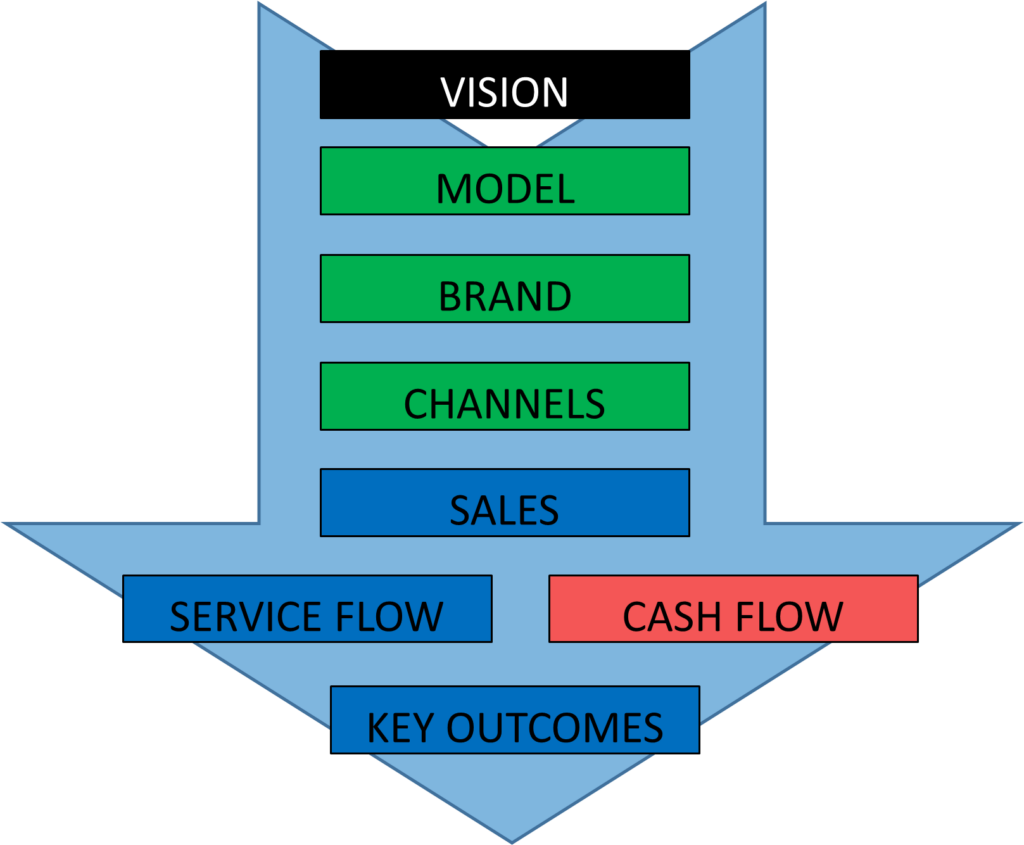
The 5 Brand Promise Questions
I break this process down into these five simple questions. Naturally, you may want to personalise these, tailor them to your team or target clients, create your own unique brand promise structure and that’s perfectly fine.
(In fact, I’d encourage you to do this testing! But this is a simple way to start, and it may well be sufficient.)
Question 1: What is it you Do?
The first question: what is it you do? And the answer has to be “So, this here is the answer. “We do ‘what’”, because you’d be surprised how many businesses struggle to answer that question directly.
A Case Study Example (or, Why Simon Sinek is Wrong)
I ask this first question at a Wedding Industry Workshop a couple of months ago. I picked on somebody in the audience (as I am wont to do) and I said, ‘What is it that you do, what’s your business?’.
And he said… “We give Brides an excellent experience.”
Now, that’s great, that sounds nice, it’s helpful, but … “What is it you do?”
“Well, you know, we set clear expectations with Brides on their wedding day, and we make sure we meet those expectations so they have no stress.”
“OK, fantastic, that sounds helpful but … What is it that you do?!?!”
Readers, this went back and forth three or four more times until he finally acknowledged that he was a limousine business.
See, all those other elements were true. They were big parts of his brand, the value that he delivers his clients is that he would be there on the biggest day of their life.
But he needed to make sure he told them what he did because he could well have been a florist, an event manager, or a caterer. None of that came through until he explained “we rent limousines for brides”.
As a personal flourish, Simon Sinek’s “Start with Why” concept is to blame for a lot of this in small businesses worldwide. Apple (and his other examples) have the luxury of starting their brand promise with a ‘Why’ because you already know what they sell. In small business you can rarely make that assumption, even if someone is calling you from an ad or was a referral.
You need to start with What so they can understand how all the bigger value pieces of your Brand Promise fit together.
This also means you can keep this element simple – because you will build on Question 1 as we go through.
Question 2: Who Do You Do it For?
The next question is “Who is your ideal client?”, or “Who are you doing this for?”
Taking the case study above, in his case he was helping couples on their wedding day but he specifically knew that Brides were largely the decision-makers so that was who his target client was.
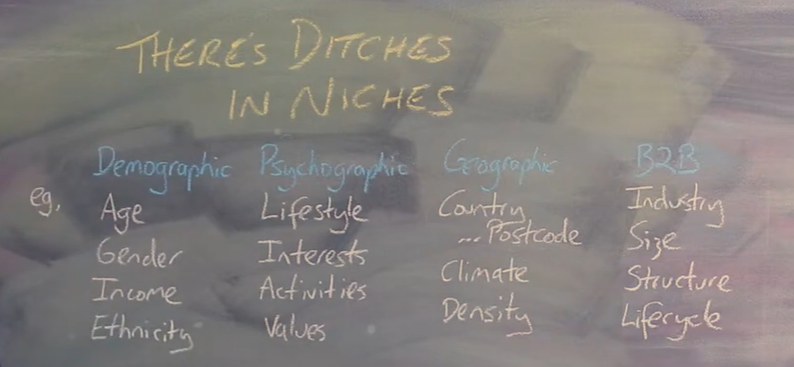
Specificity is helpful when it comes to answering this question. But to be contrarian again, don’t be too concerned if early in your business lifecycle you’re unsure – while there’s riches in niches, there’s also ditches in niches and often the best specific client category is uncovered when you’re working more broadly.
Question 3: Why do those Clients want to use your Service?
What is it about those ideal clients that make them want to use your product or service? What’s the pain that they’re experiencing that you can alleviate?
So in our case study, we can now break down the first 3 questions as simply as
- We drive limousines
- For Brides
- Who want to know that nothing is going to go wrong on the most important day of their life
Clearly that’s broad, that’s most brides (and there is an unvocalised geographic restriction of course). That’s okay – he doesn’t get many repeat clients (!), so his Brand Promise needs to speak to a very common pain that they’re experiencing.
This is something that needs to come through in your Brand Promise: It’s not actually about you, it’s about your clients.
Question 4: What Don’t You Do?
Question 4 is a little bit optional, and will depend on your business model and industry.
(For example, our case study will obviously take bookings from Grooms; but a Divorce Lawyer may very well be specific that they work for divorcing women and not divorcing men.)
It’s important for you and your team to understand what it is you don’t do; often it’s tempting to say “we can do anything for anybody”, so articulating the things that you don’t do helps focus your Brand Promise.
That focus creates your market (and marketing) cut through.
Question 5: What Makes You Special?
The last question is where you can start to have a little bit of fun.
What is it about your process, your methodology, your business that makes it special? Why are you the very best option for those clients with that specific pain?
So, for our limousine driver, “We drive limousines For brides Who want to make sure that nothing goes wrong on the most important day of their life. Our process ensures that they are fully looked after and never have to worry about where the car is and where they’re going to next.”
That’s straightforward.
Two More Brand Promise Examples
[2025 Update.]
Let me end with two more examples, for my current coaching businesses. And remember – this is a starting point, not a script I use in every conversation, as you can see if you click through to those website!
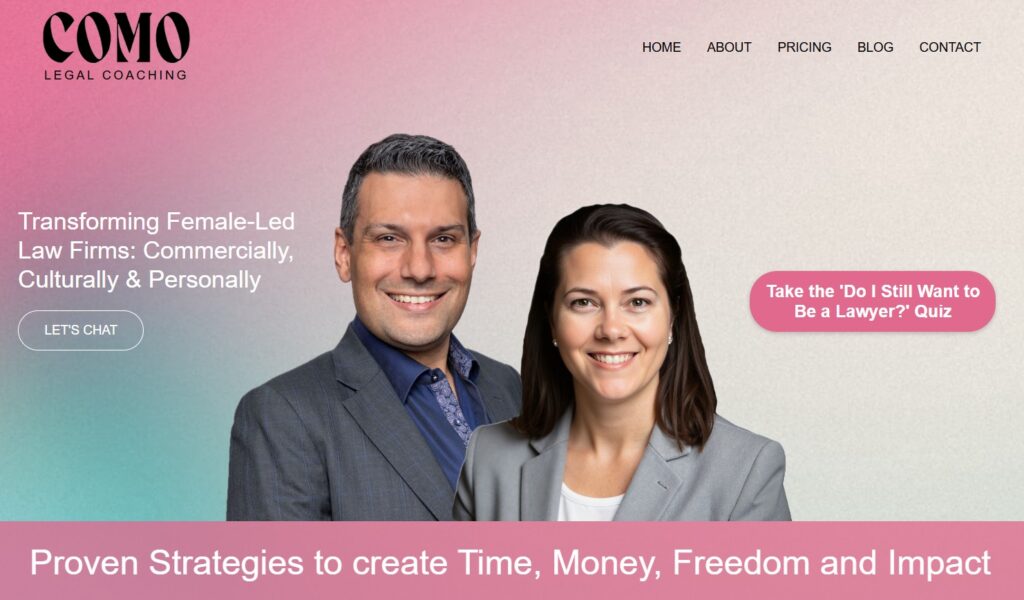
We are ‘done with you’ and ‘done for you’ business advisors for female-led law firms who want to do law, life, and business their way.
We don’t work with law firm owners who think their team is the problem, and they don’t need to change.
Our methodology transforms law firms because we work with the Whole: Whole Self (you are more than your business), Whole Business (solutions far beyond basic practice management), and Whole Team (overcoming barrier to billing through producer 1-on-1s).
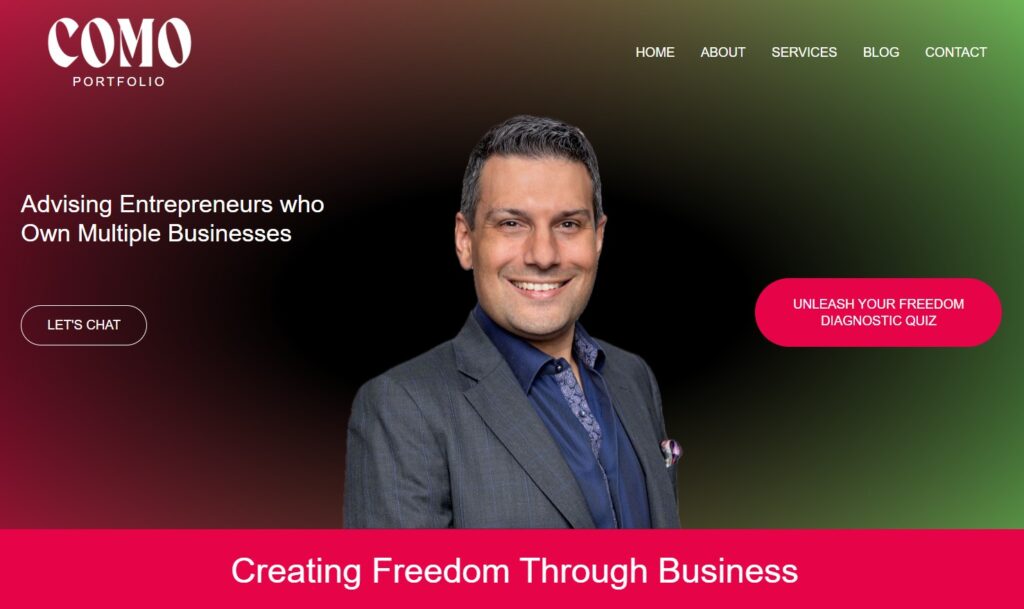
I advise to men who own a meaningful stake in multiple businesses who want to magnify their energy, avoid portfolio dependence, and create wealth and fun through their real business.
Portfolio Entrepreneurs say nobody understands them like Jacob does: I’ve coached 400 businesses in 14 countries, allowing me to be the one other person who understands how your whole portfolio fits together and why different businesses may need different solutions.
In Conclusion
What are the answers for your questions?
If you asked your team to answer those questions, would they come up with the same answers?
And when each member of your team goes and talks to the market, to potential clients, potential referral sources, are they explaining this consistently or are they all over the shop with a whole lot of different things that you do and do well?
Consistency in your Brand Promise is how you get outcomes from your Brand Promise.
Next Steps
Want to learn more about how this can apply to your business? It costs nothing to chat:
- Email me jacob@jacobaldridge.com (I read them all)
- Call, Text, or WhatsApp me +61 427 151 181
- Or just Subscribe https://jacobaldridge.com/about/subscribe-to-jacob-aldridge-com/ to stay in touch

[…] engaging marketing channels that push your brand promise further into the […]